Identifying Bed Bugs: Warning Signs, Symptoms, and Reliable Treatment Methods
Bed bugs pose a serious concern in many households. These small, brownish insects can remain undetected, lurking within the folds of bedding and furnishings. Their presence is often revealed through reddish-brown marks and irritating welts on uncovered skin. Knowing how to recognize these insects and their impact is crucial. Reliable solutions can be found, but learning how to use them properly is fundamental to restoring one's household. How should one proceed when dealing with an infestation?
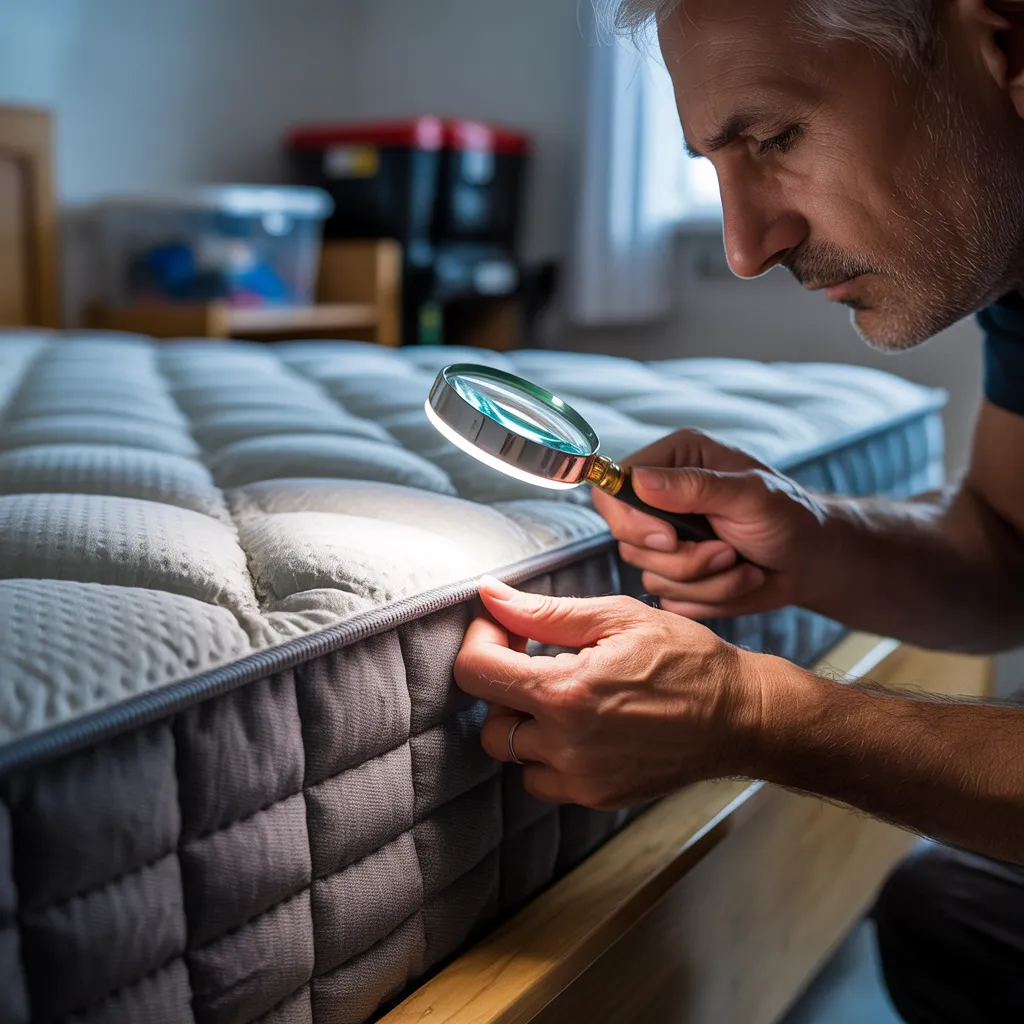
How to Recognize Bed Bugs in Your Home
Identifying bed bugs in a home requires vigilance and attention to detail. These nuisances are tiny, brownish bugs that frequently conceal themselves in cracks and crevices. Their compressed bodies permit them to slip into narrow spaces, making them hard to find. Typical concealment areas include mattress seams, bed frames, and cushioned furniture. Property owners should carry out periodic examinations, especially following travel or when acquiring pre-owned items for the home.
Signs of an infestation include tiny rust-colored marks on bedding, which are droppings, and tiny white eggs or shed skins. A distinctive musty smell may also occur in severely affected areas. It is vital to check not only sleeping areas but also adjacent rooms, as bed bugs can migrate. Employing a flashlight and a magnifying glass can assist in the inspection. Prompt identification is crucial for successful treatment and avoiding a widespread infestation.
Spot Bed Bug Bites and Symptoms
Bed bug bites commonly present as tiny, red, irritated welts on the skin, usually found in groups or lined up in a row. These bites typically appear on parts of the body left exposed, such as the neck, arms, and legs. Even though scratching in response to the itching can intensify discomfort, the bites are not known to transmit illnesses.
The pattern of the bites can additionally serve as indicators; they commonly develop during the night after bed bugs have fed. Certain people may encounter delayed responses, resulting in more severe symptoms as time progresses. Alongside the welts, signs of a bed bug infestation may include redness and swelling around the bite site.
Identifying these signs quickly is crucial for handling suspected infestations and related issues. Recognition of these warning signals assists affected persons implement necessary action to avoid additional distress and contact, facilitating swift intervention.
How to Properly Address Bed Bug Infestations
Recognizing the signs of bed bug bites underscores the necessity of effective treatment strategies to address bed bug infestations. Homeowners should first conduct a thorough inspection of their residential areas, focusing on bedding, crevices, and furniture seams. When the presence of bed bugs is verified, removing clutter from the space can facilitate the treatment process.
Heat treatment is a highly effective method, as exposing bed bugs to temperatures beyond 120°F eradicates them at every life stage. Professional exterminators often utilize this approach, alongside bed bug-targeted insecticide treatments. It is essential to follow label instructions carefully to guarantee safety and effectiveness.
Moreover, cleaning infested linens in hot water and running them through a high-heat drying cycle can eliminate bed bugs. Sealing cracks and using bed bug-proof encasements on mattresses as well as box springs can minimize the chances of re-infestation. Ongoing dedication and a variety of approaches will yield the best results in controlling bed bug problems.
How to Keep Bed Bug Infestations Out of Your Home
Preventing bed bug infestations effectively requires homeowners to take proactive steps. Routine inspection of sleeping areas, including mattresses, box springs, and headboards, is a critical step. Homeowners should look for small dark spots, shed skins, and live bugs. Keeping clutter to a minimum reduces potential hiding spots, making it easier to spot infestations early.
Furthermore, wrapping mattresses and pillows with protective covers can help protect against bed bugs. While traveling, thoroughly checking hotel accommodations and keeping bags and luggage off the floor can lower the likelihood of bringing bed bugs home.
Filling gaps and openings in walls, baseboards, and around windows works to remove likely points of entry. It is also recommended that homeowners launder and dry bedding and clothing on high temperature settings frequently to eliminate any hidden bugs. By implementing these preventive strategies, the likelihood of bed bug problems can be significantly minimized, promoting a healthier and more comfortable home.
What Steps to Take After a Bed Bug Infestation?
After a bed bug infestation has been confirmed, prompt action is essential to ensure complete elimination. First, individuals should thoroughly inspect their living spaces, including mattresses, furniture, and crevices, to detect any lingering pests or newly laid eggs. Remove and discard heavily affected items properly, securing them in tightly closed plastic bags to stop additional contamination.
Additionally, washing bedding and clothing in hot water and drying them on high heat helps get rid of any lingering pests. Thoroughly vacuuming all carpets, flooring, and upholstered furniture before discarding the vacuum bag is essential for eliminating bed bug infestations.
Professional pest control services are often necessary to ensure complete eradication, utilizing targeted treatments like heat or chemical applications. After treatment, monitoring for signs of re-infestation is critical, and practicing good hygiene can aid in preventing future infestations. Documenting the infestation and actions taken may also be beneficial for future reference.
Common Questions and Answers
Can Bed Bugs Survive in Cold Weather?
Bed bugs are capable of surviving in cold weather although they become less active. They go into a dormant state once temperatures fall below 50°F, allowing them to withstand freezing conditions for extended periods, though they prefer warmer environments.
Do Bed Bugs Transmit Illnesses to People?
Bed bugs cannot transmit diseases to humans. While their bites can cause discomfort and allergic reactions, they pose more of an annoyance than a risk for serious illnesses, per the findings of health experts and entomologists.
How Long Do Bed Bugs Live Without a Host?
Bed bug infestations can survive without a host for several months, generally lasting anywhere from two to six months. Their remarkable durability enables them to withstand extended periods without a blood meal, making eradication challenging for those dealing with infestations.
Are Bed Bugs Visible to the Naked Eye?
Indeed, bed bugs remain visible to the naked eye. Generally ranging 4 to 5 millimeters in length, their flat, oval bodies make them easy to spot, especially when clustering in affected areas important guide or common hiding places.
Are Pets Capable of Bringing Bed Bugs Into the Home?
Pets cannot carry bed bugs on their bodies, as these parasites mainly thrive in human living spaces. That said, domestic animals may accidentally transfer bed bug eggs or young nymphs on objects such as garments or travel bags, bringing them into households.